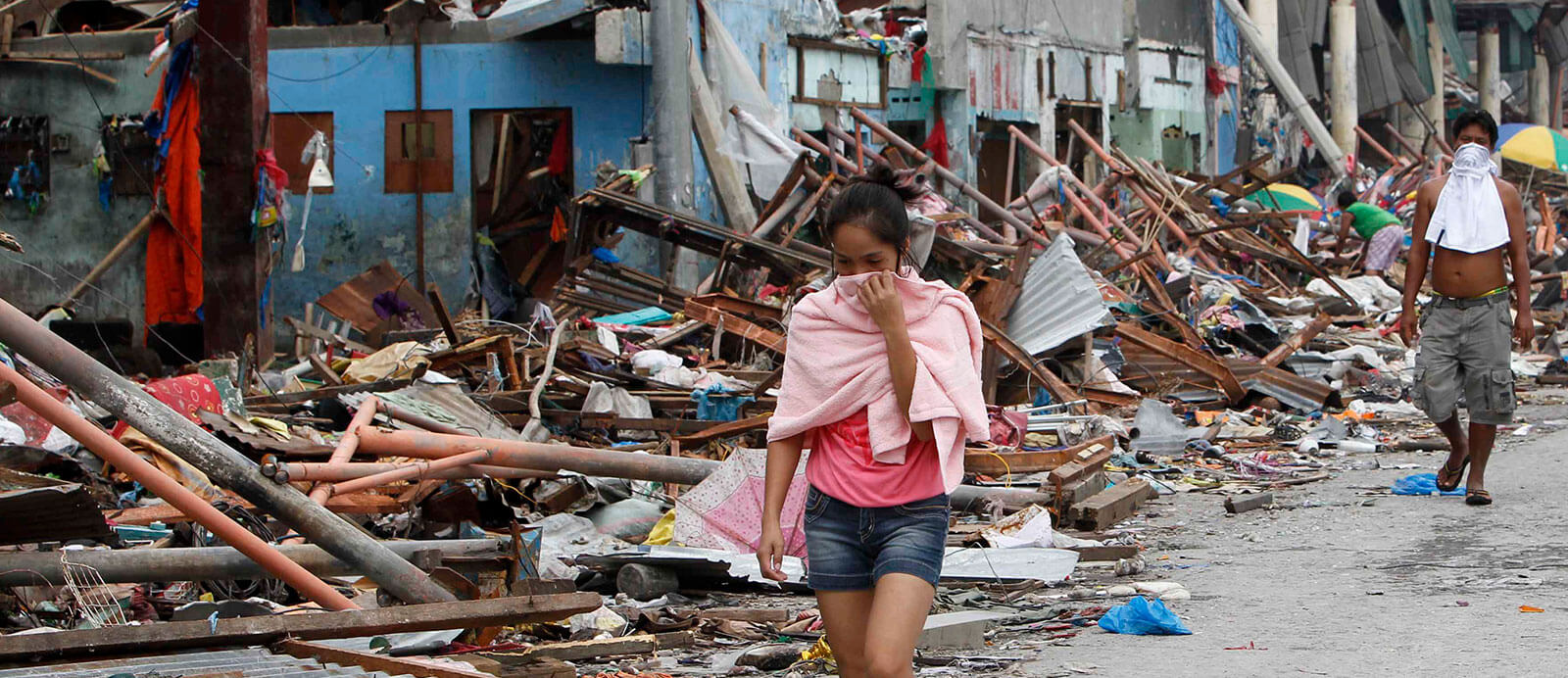
Imagine a destructive hurricane has ripped off the roof of your house and destroyed much of the infrastructure leaving you without food, water and power. It has been two days since this happened and you are very thirsty, hungry and tired. You are afraid and constantly worrying about when and if help may arrive? What if it doesn’t? What will you do to survive?
Let’s consider another situation that is more dire today – Covid-19. The immediate demand for masks and other medical supplies (worldwide) has created a desperate need to get them where they are needed within hours — not days. The logistics for this purpose is immense and ongoing because once a vaccine is developed, billions of doses will need to move quickly as well.
Airlift is the only viable solution in these situations.
Typically, these are questions better asked before you find yourself in such a situation, not after. Logistics services is what brings the needed supplies to the disaster site or a pandemic like Covid-19. However, we don’t have to rely solely on governments for this critical component of disaster relief – airlift. There are many commercial air cargo carriers but they may not have an aircraft available for days and in many cases that may too long.
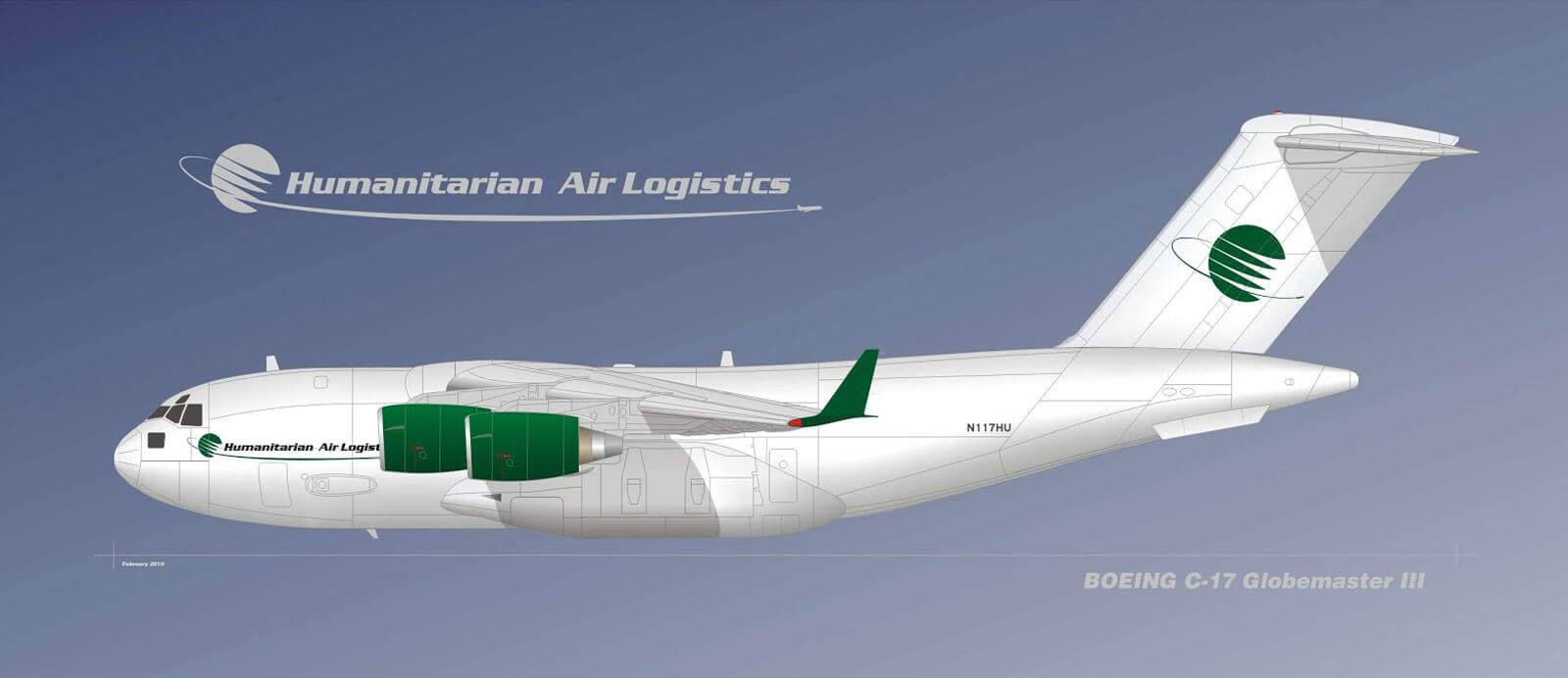
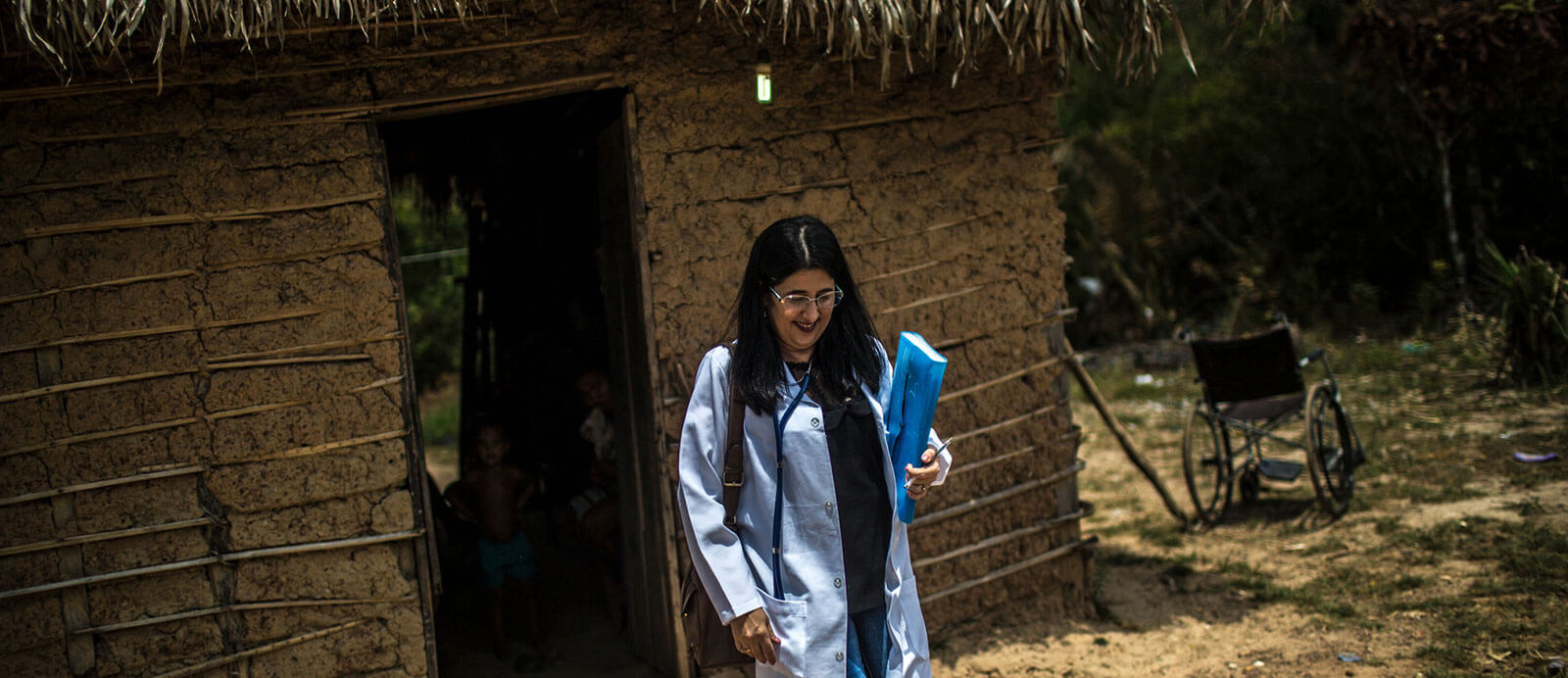
The solution is Humanitarian Air Logistics (HAL) a nonprofit organization whose operational plan is to provide a comprehensive solution to that dilemma. HAL will provide immediate airlift of disaster supplies and support staff, such as medical doctors, to anywhere in the world that falls victim to disaster.
Another problem facing both the aviation and NGO communities is ensuring there is a source of young people interested in working in aviation and humanitarian aid.
For this problem HAL will also provide disadvantaged young girls and boys with educational and training opportunities to learn first-hand about aviation and humanitarian relief operations via a STEM/AVSED program. We will partner with one or more aviation schools to provide the necessary experience for those students to eventually obtain an ‘Airman’ certificate from the Federal Aviation Administration (Airman certificates are needed for pilots, mechanics, dispatchers and repairman). HAL understands the importance to educate the next generation on humanitarian responsibility.
In recent years, the severity of natural and man-made disasters has grown worldwide. Some of it is due to climate change which is expected to increase its frequency.
Most often, the largest airlift responder to these devastated areas is the United States military. However, this sudden, unscheduled marshaling of military assets is not the primary mission of the U.S. military – combat is. Secretary of Defense Mark Esper has stated more than once that the military is to be used in these instances only as a last resort. These dual use missions can cause operational conflicts for the Department of Defense (DoD) and Non-Governmental Organizations (NGO). It can create confusion as to the role of the military in certain civil and disaster situations (combat vs. relief services) which in turn can cause delays in response time and effectiveness. This can lead to civil unrest and additional harm to those already suffering.
A review of U.S. Code, Title 10, Section 2561(a) explains how the military must defer to “other sources” of transportation capabilities unless none is available. HAL will be that ‘other’ source.
Because of HAL’s size in comparison to the military, we will be nimble and thus able to act quickly. We are not a combat capable organization, instead, we were created to support people and pets in their time of need. Our aircraft will be used only for peaceful purposes. We will not participate in any enforcement actions which is better left to those who are tasked and trained for that scope of work.
Furthermore, interaction between the military and NGO’s at the disaster site can be unsynchronized and result in distribution delays of critically needed relief supplies. According to the Pentagon, it takes at least 96 hours to fully mobilize its response and that is often too long to wait. The first 72 hours are the ‘golden’ hours for saving those without water, food, medical attention and shelter.
According to a 2005 Congressional Research Service report on Hurricane Katrina, humanitarian relief flights are not the primary mission of the military. On page 13 of the report it says:
“[W]ith regard to the DoD particularly, the fundamental principle that it is almost always a supporting agency and the resource of last resort may serve to encourage a reactive rather than proactive mode of operation. This principle exists because, for DoD, disaster relief is secondary to its primary mission of national defense, and there has been a traditional concern that any greater emphasis on essentially civilian or non-military operations would detract from its preparedness for its primary mission. Nevertheless, absent the development of greater civilian capabilities in disaster response, the expectation will remain the DoD will provide substantial, if not massive assistance in instances of catastrophic disasters”
Another negative aspect of using the military is that some countries do not want them on their soil, even for humanitarian purposes. Take the 2008 example below reported by the Associated Press:
Myanmar’s obstruction of international efforts to help cyclone victims cost “tens of thousands of lives,” Defense Secretary Robert Gates said Saturday in his strongest condemnation to date of the military government there. With U.S., British and French Navy ships off the coast of Myanmar poised to leave because they have been blocked from delivering assistance to the ravaged country, Gates said the U.S. will not forcefully bring in supplies without permission of the government, and will continue to “respect the sovereignty” of Myanmar.
When a deployment request is received by HAL from organizations like FEMA, USAID and NGO’s, a ‘go-team’ will immediately be transported to the disaster site via one of our “Mobile Command Post” aircraft. This aircraft will be capable of providing worldwide satellite communications between the go-team and various disaster organizations.
This critical first step allows immediate damage assessments to be made and what amount of help that needs to be mobilized.
Transport/cargo aircraft will also accompany the mobile command post. These aircraft will carry support vehicles, helicopters and initial supplies needed to help the go-team conduct local damage assessments and identify additional relief solutions. Simultaneously, we will deploy the company’s remaining fleet of transport aircraft to deliver any identified additional rescue personnel, equipment, water, food, medical supplies and other relief & recovery supplies.
HAL’s eventual fleet is expected to consist of a mix of commercial and former (surplus) military transport aircraft.
HAL will provide the disaster support community with a stable and consistent logistics resource they can plan and train with well in advance of an event. This will provide for quicker, smoother and more effective responses to minimize the loss of human life and suffering.
Our first step is to obtain our Air-Carrier Operating Certification (AOC) from U.S. federal aviation regulators. For this we must purchase or lease an aircraft which is representative of the model we will be operating. We will also need to hire five key aviation qualified managers as required by the aviation regulations. This will cost at least several million dollars which we first need to obtain.
Once the AOC is approved, we can safely operate humanitarian aid flights worldwide. We will also be able to add additional aircraft to grow the fleet.

For domestic emergencies, the Federal Emergency Management Agency (FEMA) is the responsible agency while international emergencies are run through the United States Agency for International Development (USAID).
We can also expect some financial support from corporate sponsors and direct contributors.
In many but not all cases they provide airlift and other support. Currently, the military is the only organization in the United States that can provide the airlift resources needed in a disaster “first responder” type of situation. However, it is not their primary mission and responding to humanitarian efforts can tax already tight military resources as evidenced by the statements from the United Nations and a Hurricane Katrina report found on the Home page. In addition, the following Public Laws apply to this question.
1. United States Code Title 10 Sec. 2561 gives the Secretary of Defense the authority to utilize DoD assets for humanitarian transportation but only if other sources are not readily available.
2. United States Code Title 31 Sec. 1535 [The Economy Act] requires the head of an agency to first determine if commercial services cannot be acquired as cheaply or conveniently as those of another government agency before ordering services from that Government agency.